In this excerpt, Chavarría discusses the way in which hierarchies of Congo Devils greet one another, how they are baptized within the tradition, and the importance of crossing one’s feet and “dancing” in the devil way.
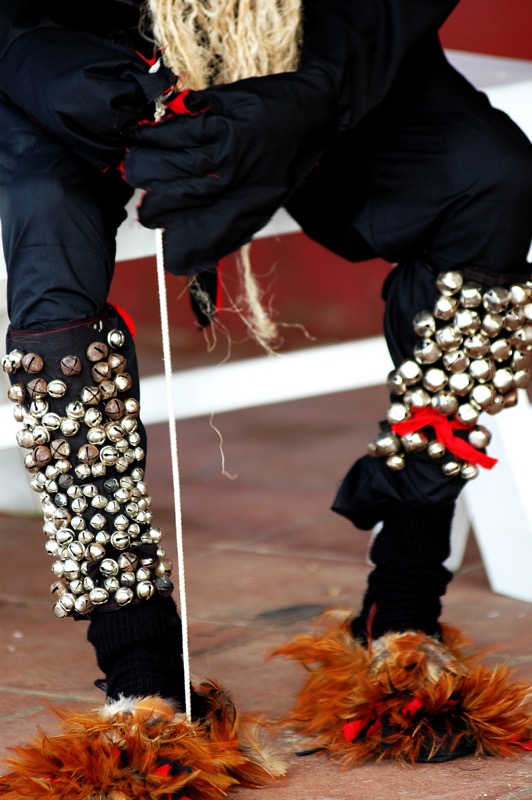
In this excerpt, Chavarría discusses the way in which hierarchies of Congo Devils greet one another, how they are baptized within the tradition, and the importance of crossing one’s feet and “dancing” in the devil way.
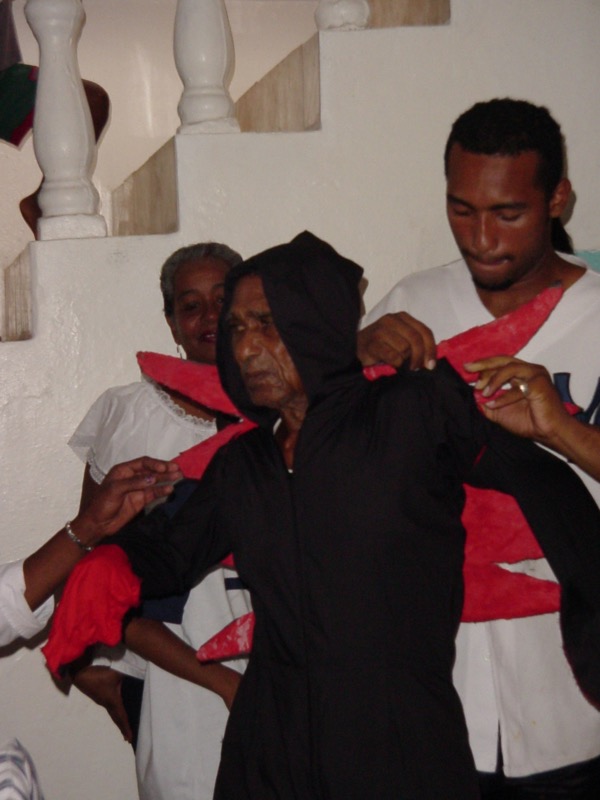
In this excerpt, Chavarría discusses his memory of the last time the renowned Celedonio Molinar performed as devil and how his mentor retired in 2003 after being honored at that year’s Festival de los Diablos.
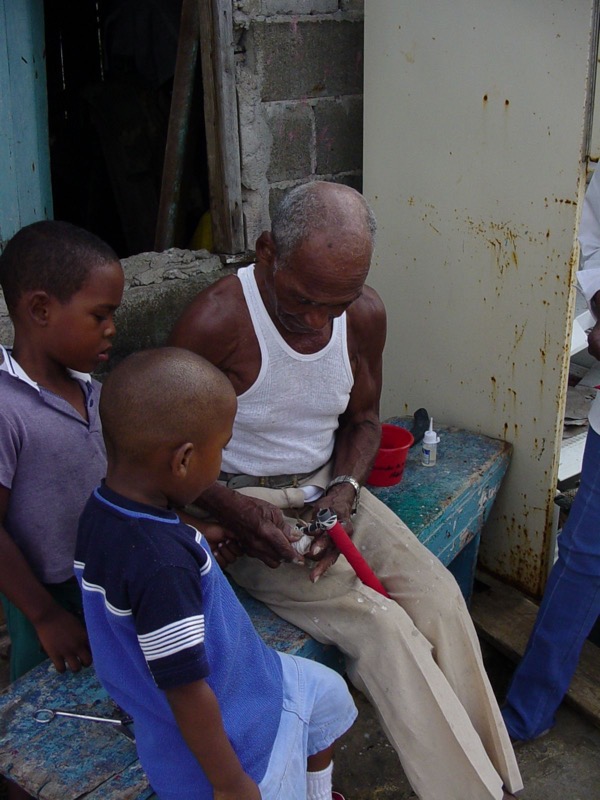
In this excerpt, Chavarría shares cherished memories of his mentor, Celedonio Molinar, including seeing him “fly” from roof to roof as Major Devil. Chavarría also discusses important lessons and ritual practices that he learned from his mentor about performing the Major Devil role.
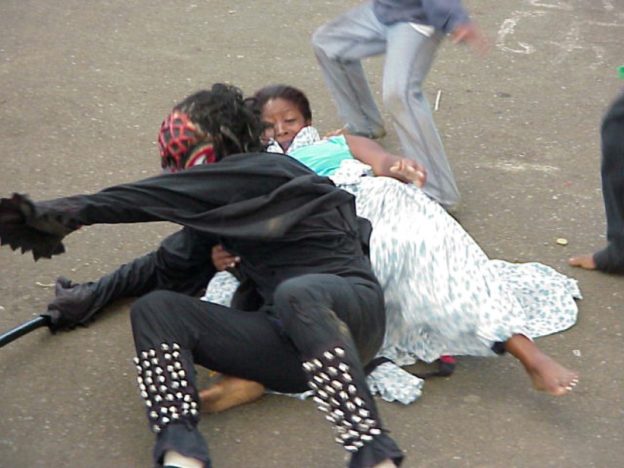
In this excerpt, Chavarría talks about the importance, for him, of playing the Devil character from “emotion” and his decision to break away from a particular ritual that marked his mentor’s embodiment of Major Devil.
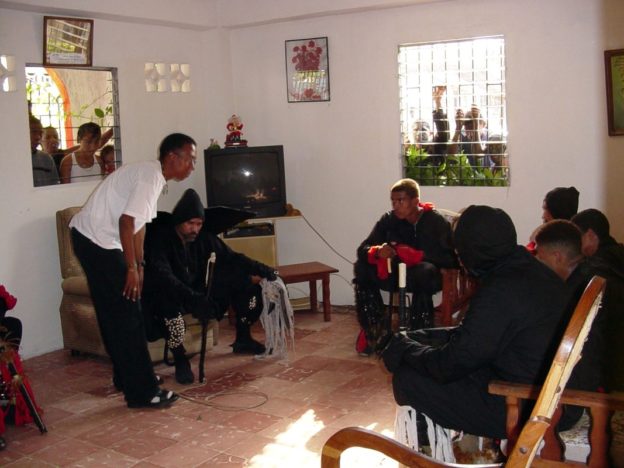
In this excerpt, Chavarría discusses the process by which he became Major Devil in the Congo tradition of Portobelo, Panama.
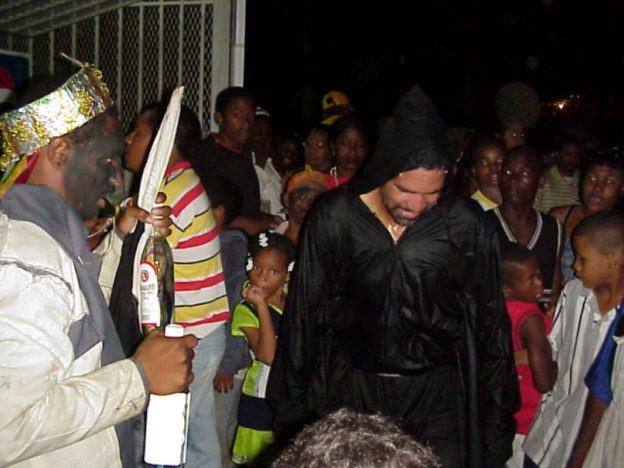
In this excerpt, Chavarría discusses his particular style of “Devil” embodiment within the Congo tradition and the way others perceive of his performance. He also talks about the respect devils from outside of the community give to the devil of the town they are visiting. Each visiting devil must submit to the rules of the game as practiced by the local community.
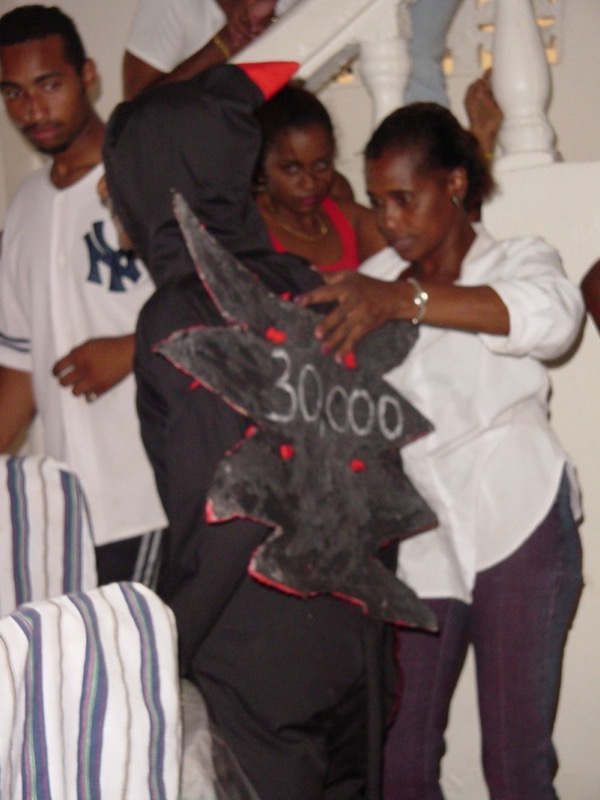
In this excerpt, Solís discusses the ritual process that Celedonio used to prepared to “transform” into the Major Devil character.
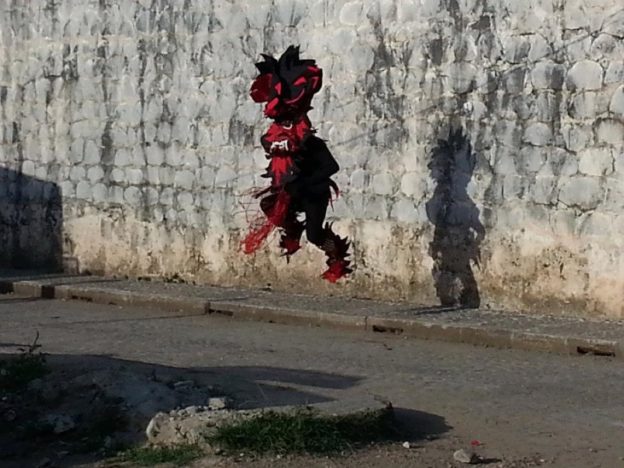
In this excerpt, Solís discusses the relationship between the economy and the increasingly violent ways in which younger generations of devils within Congo traditions of Panama embody the character.

In this excerpt, Ileana discusses the unique energy and magnetism that made Celedonio Molinar’s embodiment of the devil character within the Congo tradition of Portobelo, Panama so special.
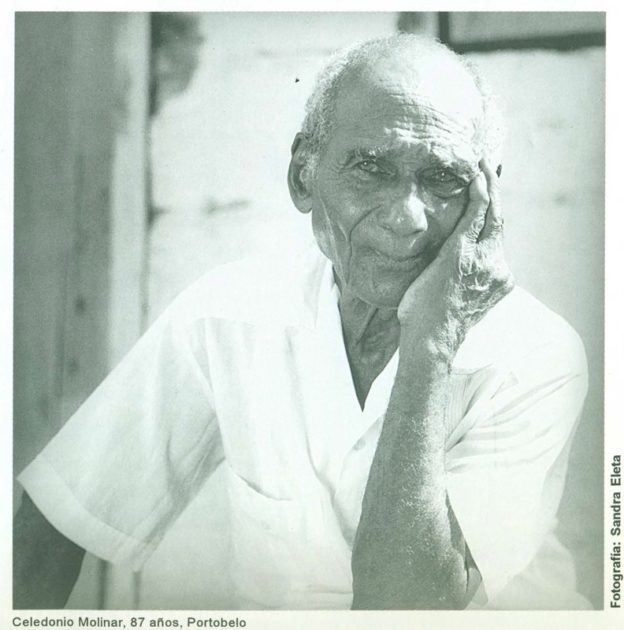
In this excerpt, Solís discusses what she believes is the legacy of Celedonio Molinar, renowned Major Devil in the Congo tradition of Portobelo, Panama.