Abdiel Valdez shares some of the long-term goals of Barrio Fino, which include using participation in the group to help members become stronger musicians by expanding their skill set and gaining greater tools for cultural expression.
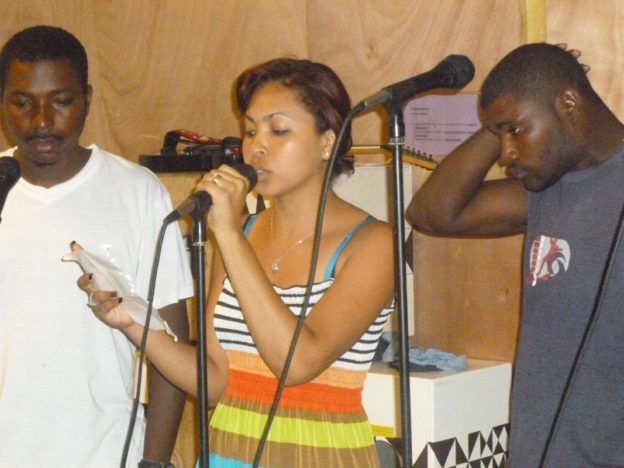

Abdiel Valdez shares some of the long-term goals of Barrio Fino, which include using participation in the group to help members become stronger musicians by expanding their skill set and gaining greater tools for cultural expression.
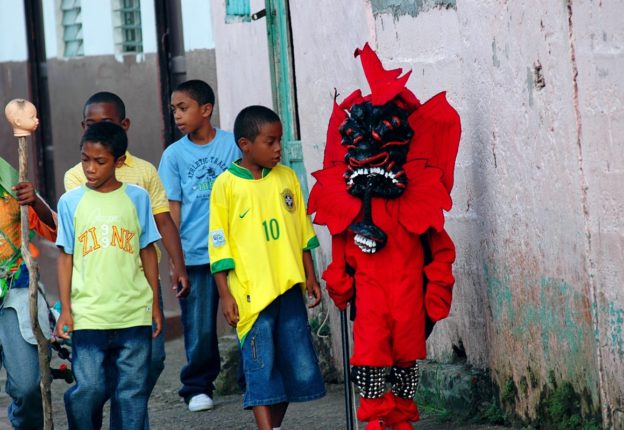
In this excerpt, Jiménez discuses the ways in which the 20th century notion of the devil character in the Congo tradition of Panama was “born” in Portobelo and discusses the ways in which his mentor in the tradition, Celedonio Molinar, brought back the practice of “Blessing the Devils.”
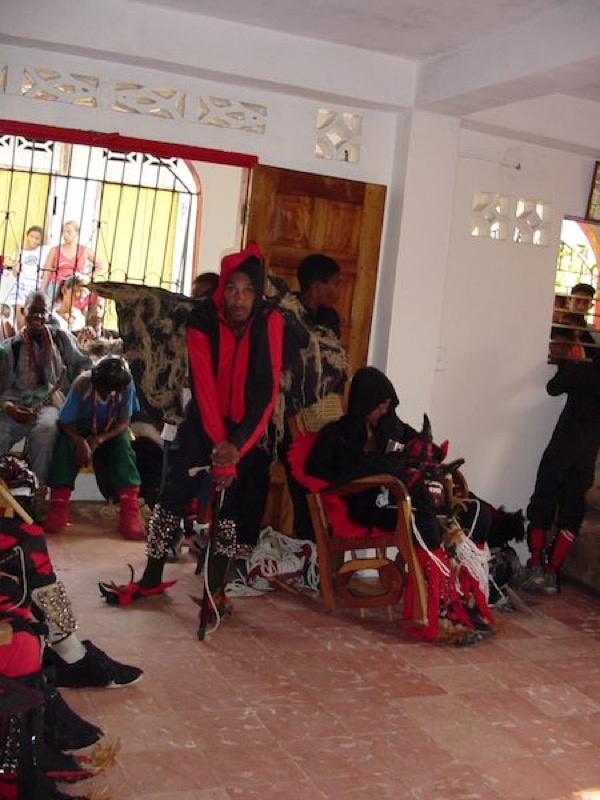
In this excerpt, Jiménez discusses how he began to play the role of the Major Devil character in the Congo tradition of Portobelo, Panama when Carlos Chavarria took a sabbatical from the role to study abroad in Russia.
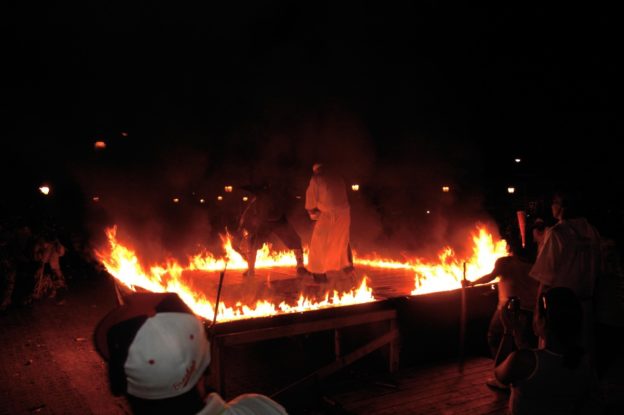
In this excerpt, Molinar discusses a few of the changes that he has witnessed in the devil character’s embodiment within the tradition that displease him and responds to Arturo Lindsay’s question regarding the escalating violence he has witnessed with the way some younger practitioners wield their whips.
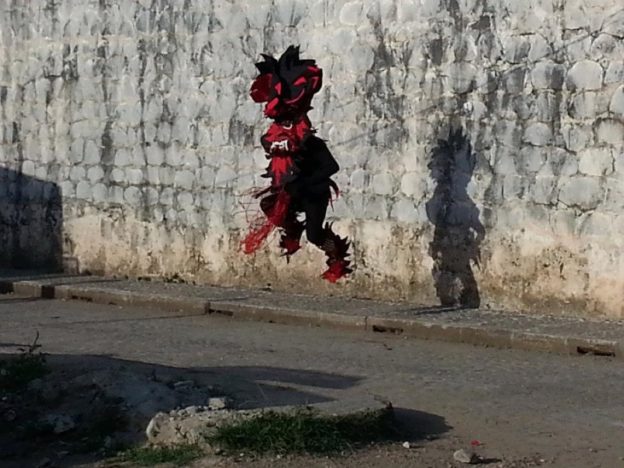
In this excerpt, Solís discusses the relationship between the economy and the increasingly violent ways in which younger generations of devils within Congo traditions of Panama embody the character.
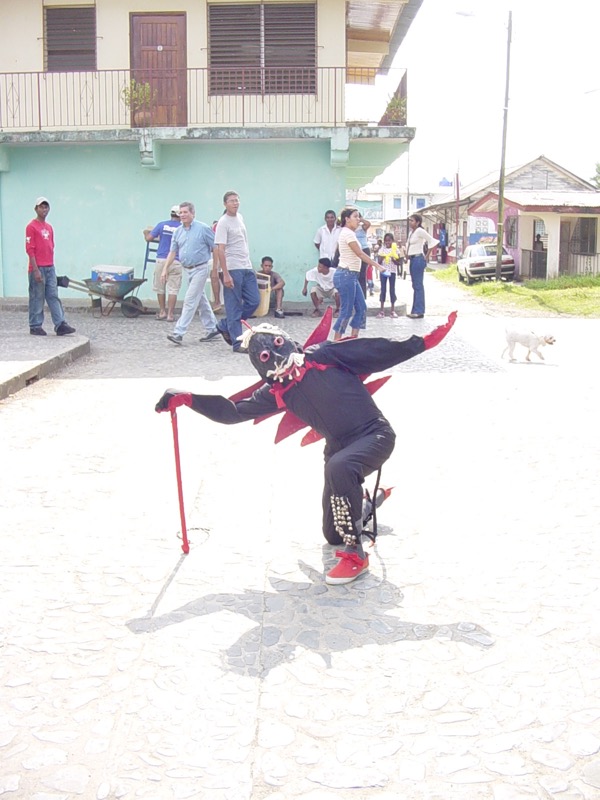
In this excerpt, Molinar discusses how he came to play the role of Major Devil in Portobelo. And how he reintroduced the practice of “Blessing” or “Baptizing” the Devil.
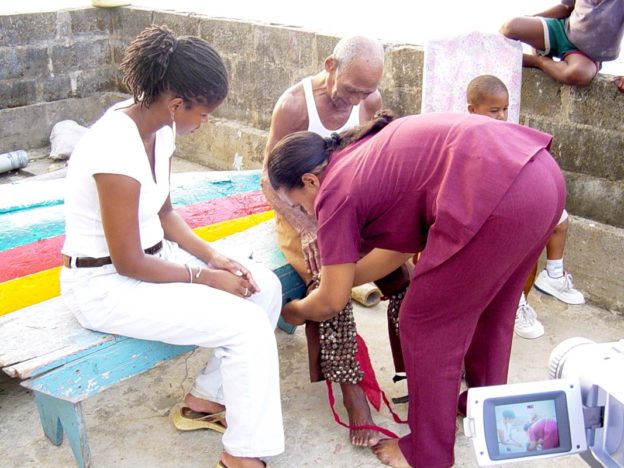
In this excerpt, Molinar discusses how he learned the role of Major Devil and the tradition of “Blessing the Devil” from a Portobelo native named Viudo Ceballos who had moved to Nombre de Dios. He also describes the way the devil tradition was practiced in Portobelo when he arrived there in 1945.
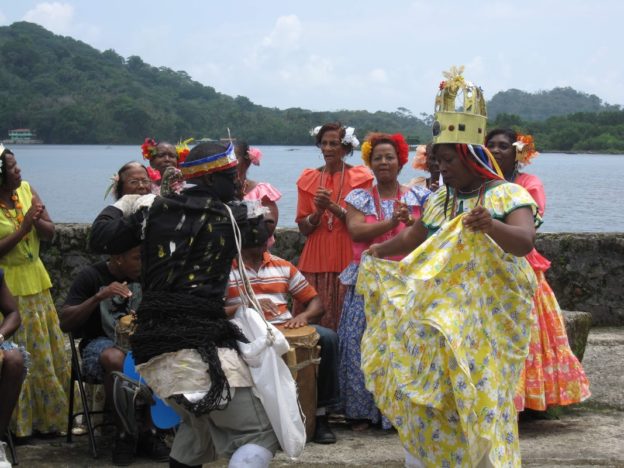
In this excerpt, Esquina discusses the changes she has seen in the Congo tradition over the course of her lifetime. Specifically, she talks about the ways in which the king’s role has diminished since her father once played it.
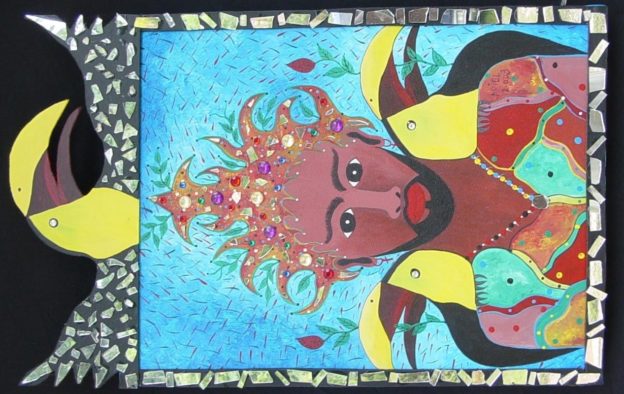
In this excerpt, Esquina recounts watching her father, Vicente Esquina, get dressed as the Congo King and accompanying him to the palenque/palacio to play Congo. Memories of her father’s participation as king mark some of Esquina’s earliest recollections of the tradition.
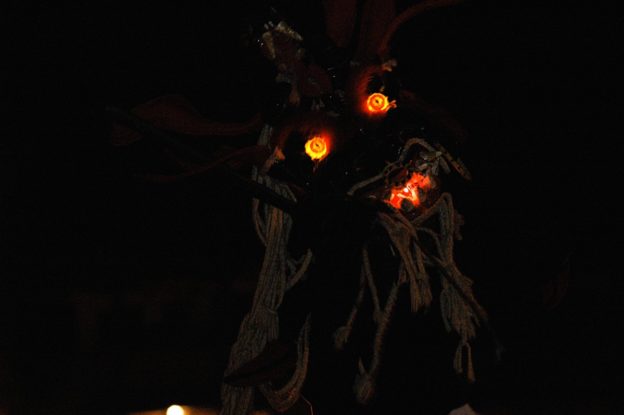
In this short excerpt, Molinar laments some of the escalating violence that he witnessed in the early 21st century.