In this excerpt, Solís discusses her philosophy of art and the power of community theater as a communicative tool. She is committed to theater that energizes, surprises, engages, and maintains the ability to engender change.
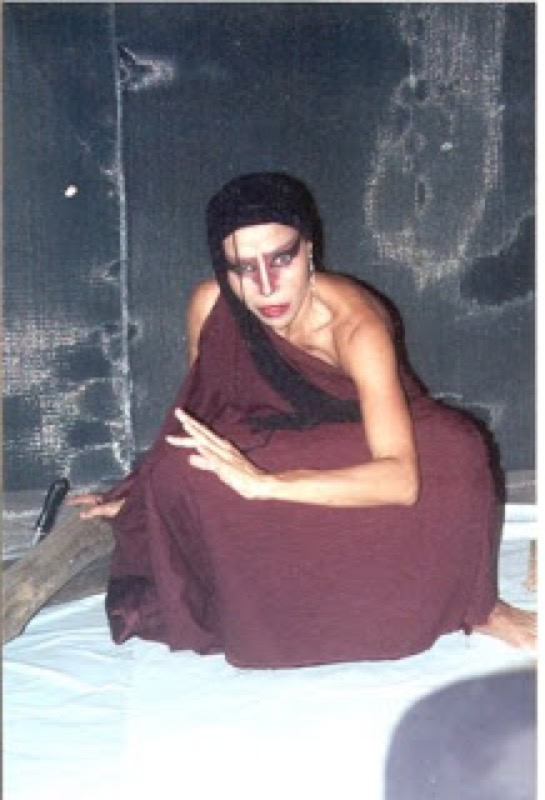

In this excerpt, Solís discusses her philosophy of art and the power of community theater as a communicative tool. She is committed to theater that energizes, surprises, engages, and maintains the ability to engender change.
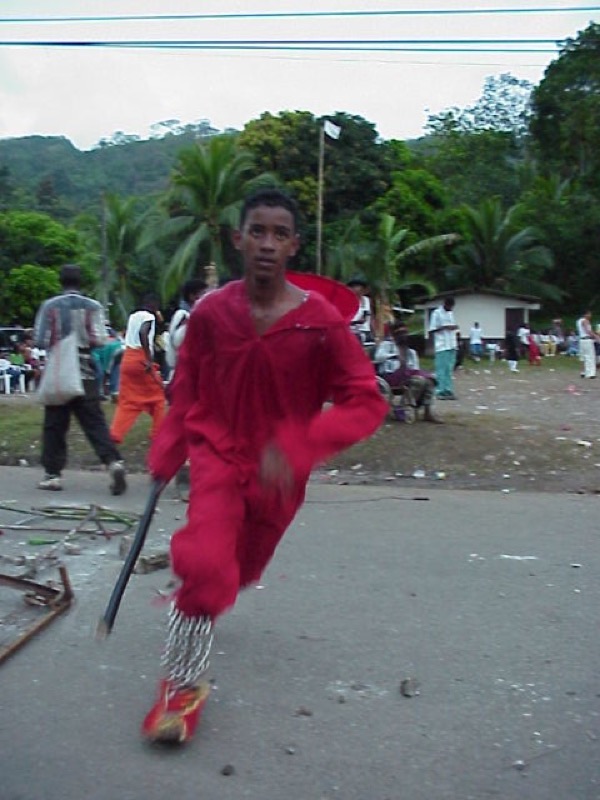
In this excerpt, Jiménez discusses the significance of the devil character to the Congo tradition of Panama and his perspective on playing the Major Devil character.

In this excerpt, Solís discusses the enchantment she felt the first time that she witnessed Celedonio Molinar performing the role of Major Devil, the baptism of the devils, and how she learned about the performance traditions of Portobelo, Panama.
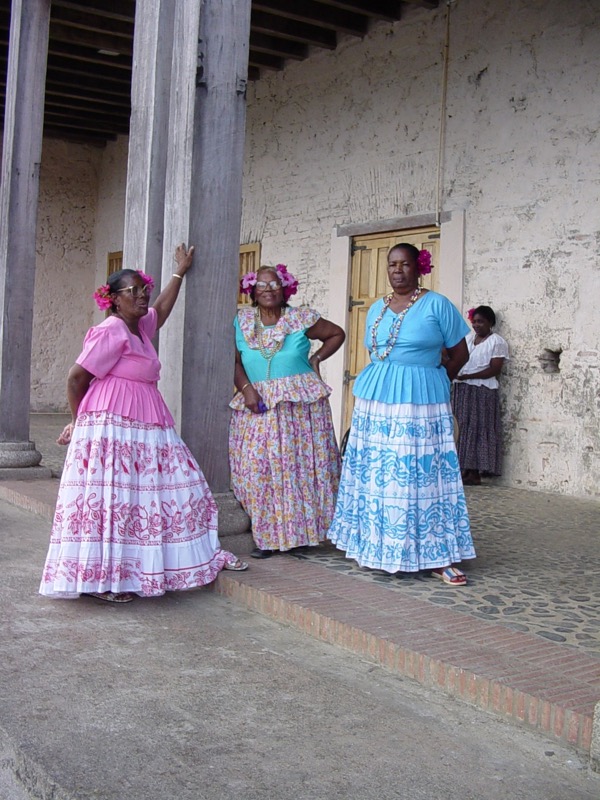
In this excerpt, Esquina discusses the changes she has seen in the Congo tradition over the course of her lifetime. Specifically, she talks about the role that a character named “Mama Guardia” once played.
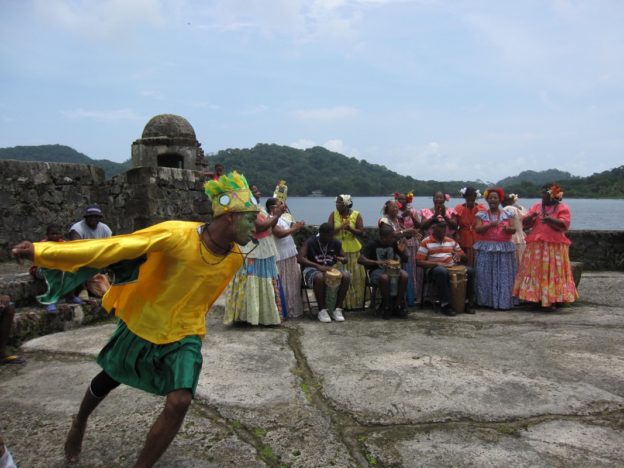
In this excerpt, Esquina discusses the changes she has seen in the Congo tradition over the course of her lifetime. Specifically, she talks about the role that Pajarito, the Little Bird, once played in the Congo game, and the ways in which the character and the game have shifted. The construction of the road signaled the end of the game as one between neighboring Congo Kingdoms who competed to capture each others’ palacio/palenque. The contemporary game is between the discrete Congo communities and the character of the devil.
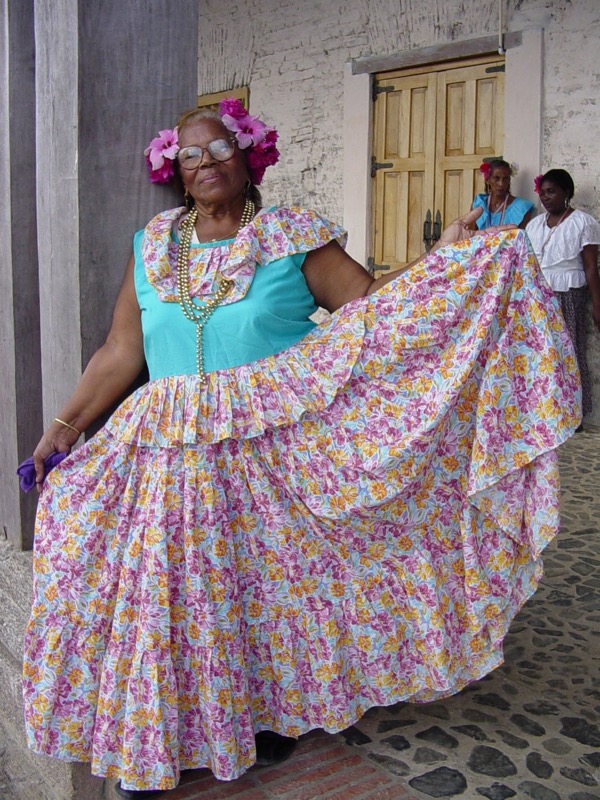
In this short excerpt, Esquina talks about the ways in which tourism is reviving aspects of the Congo tradition in Portobelo.
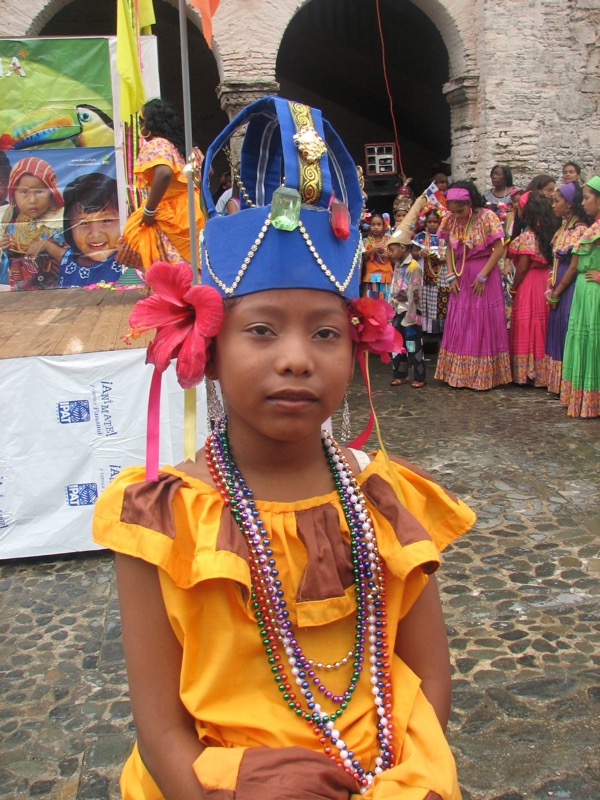
In this excerpt, Esquina discusses the changes she has seen in the Congo tradition over the course of her lifetime. Specifically, she talks about the role that the princess character once played.
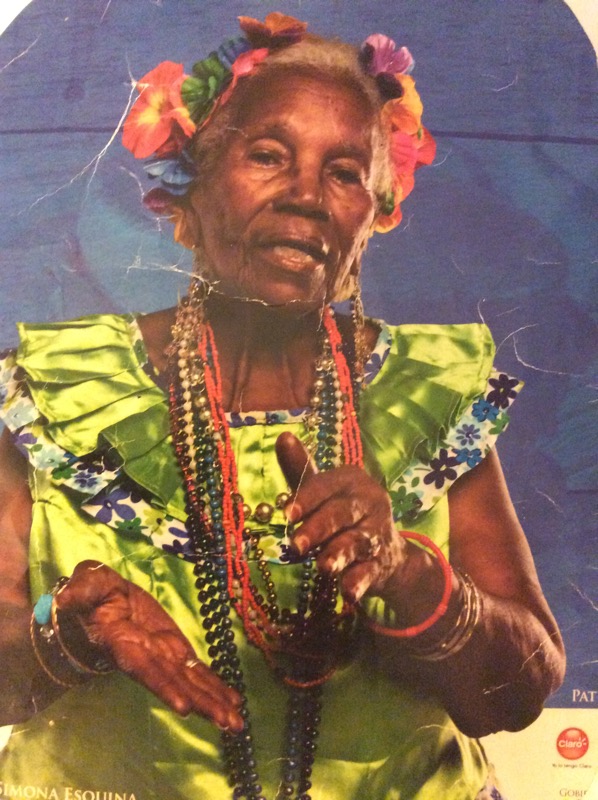
In this excerpt, Esquina shares one of her fondest childhood memories, the one and only time that her mother danced in the Congo tradition.
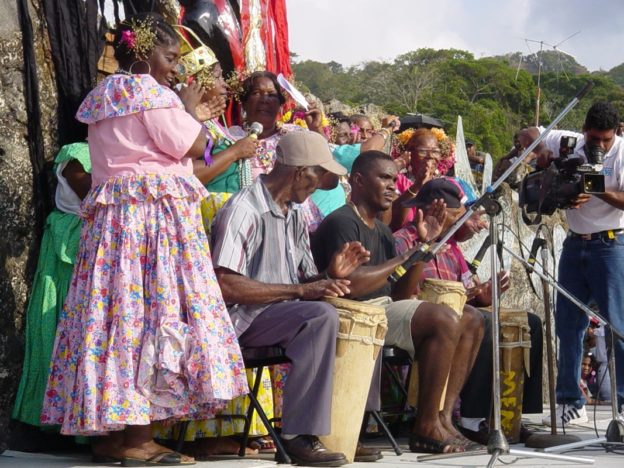
In this excerpt, Esquina discusses the meaning and significance of the Congo tradition to Portobelo.
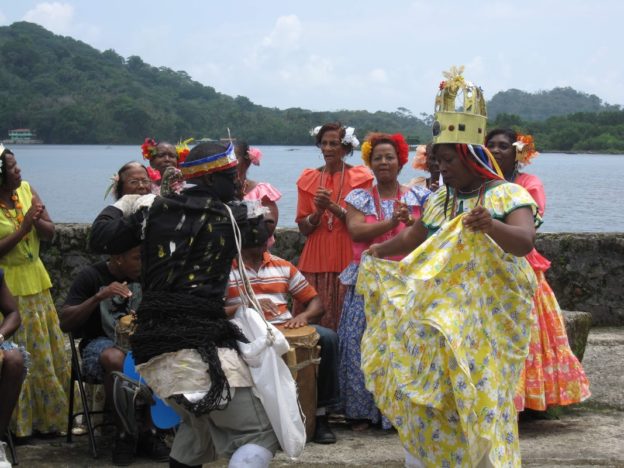
In this excerpt, Esquina discusses the changes she has seen in the Congo tradition over the course of her lifetime. Specifically, she talks about the ways in which the king’s role has diminished since her father once played it.