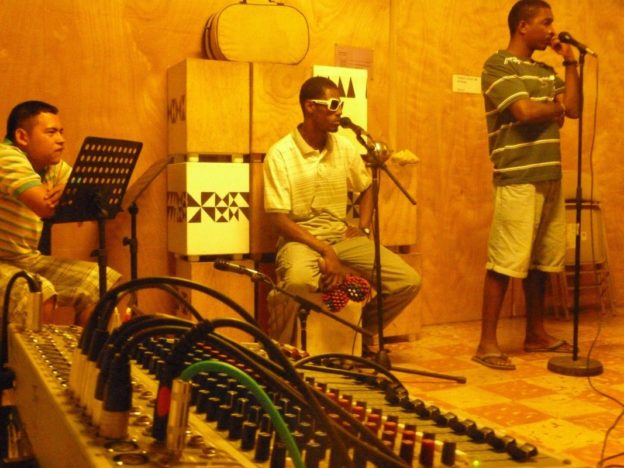
Abdiel Valdez discusses the relationship between Barrio Fino and the Music School/ La Escuelita Del Ritmo.
Abdiel Valdez shares some of the long-term goals of Barrio Fino, which include using participation in the group to help members become stronger musicians by expanding their skill set and gaining greater tools for cultural expression.
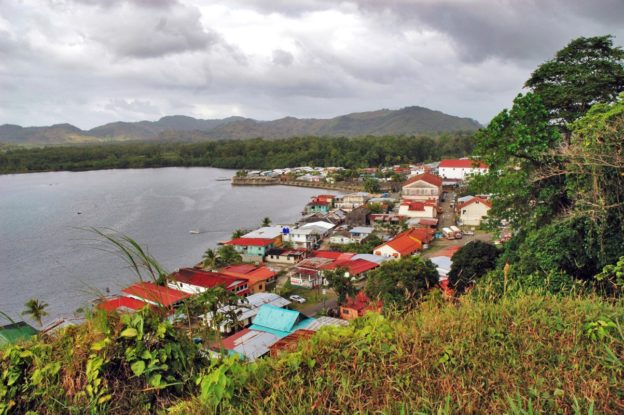
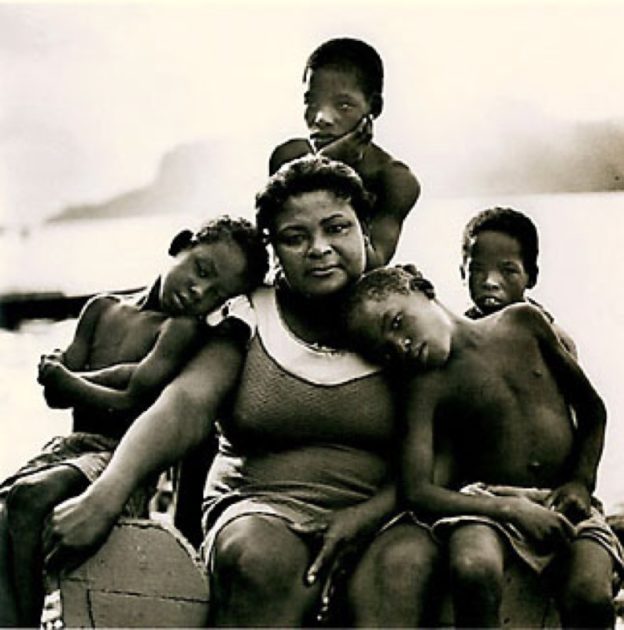
In this excerpt, Sandra Eleta discusses her earliest encounters with Portobelo and how the generous acts of a man from the French Antilles named Dorcy caused her to settle and work in Portobelo.
In this excerpt, Sandra Eleta discusses her experiences entering Portobelo as an outsider and the ways in which the children of the town served as a bridge to integrate her into the community.
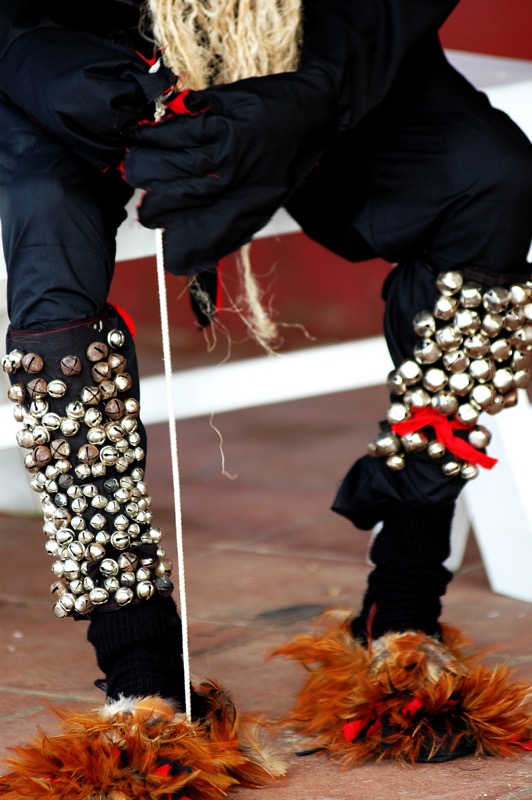
In this excerpt, Chavarría discusses the way in which hierarchies of Congo Devils greet one another, how they are baptized within the tradition, and the importance of crossing one’s feet and “dancing” in the devil way.
In this excerpt, Chavarría talks about the importance, for him, of playing the Devil character from “emotion” and his decision to break away from a particular ritual that marked his mentor’s embodiment of Major Devil.
In this excerpt, Chavarría discusses the process by which he became Major Devil in the Congo tradition of Portobelo, Panama.
In this excerpt, Chavarría talks about his choice to play the devil role in the Congo tradition and shares his memories of how he came to play the role for the first time as a school-aged boy.